Online Support & Education
Coming Soon
Movement & Exercise
Gentle, purposeful activity is a vital tool for managing lipedema symptoms. Explore these four gentle movement paths designed to honor your body's needs and enhance your mobility.

Physical Therapy
Physical therapy offers guided mobilization to address specific mobility hurdles and pain. It is an ideal fit when you require professional rehabilitation or tailored adaptations to protect your joints while improving tissue health.

Water Fitness
Buoyancy removes pressure from limbs while providing gentle, natural compression. This is highly effective during flare-ups or when joint discomfort makes land-based exercise difficult, helping to stimulate lymphatic flow effectively.
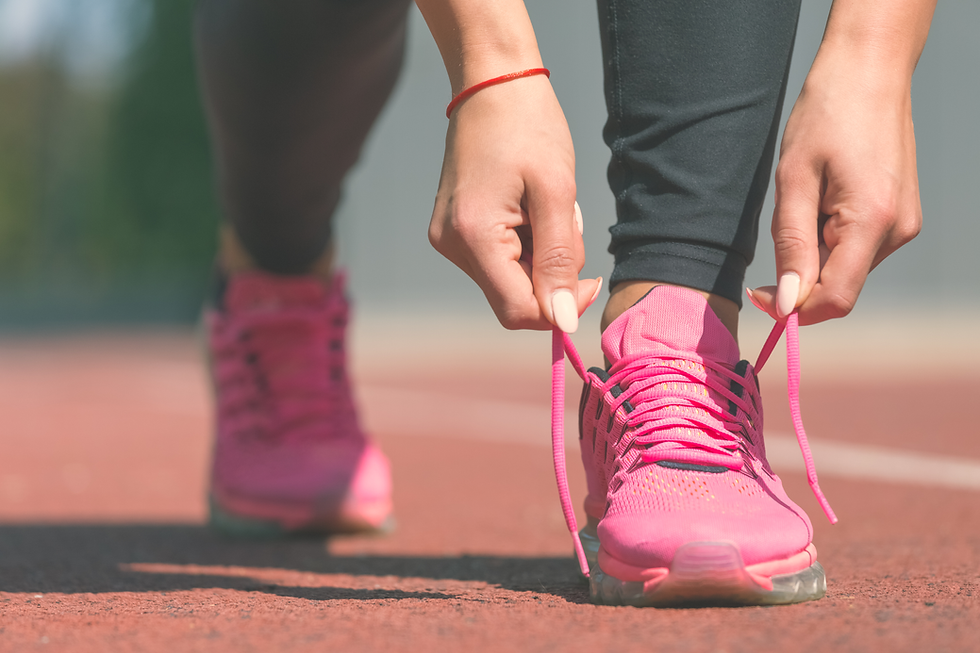
Walking
A rhythmic, low-impact exercise that creates a natural muscle pump for the lymphatic system. It is a perfect daily movement for maintaining consistency and energy levels without overtaxing sensitive leg tissues.

Strength Training
Focuses on building lean muscle to stabilize joints and support long-term mobility. By building functional strength, it helps protect the limbs and improves metabolic health, providing a foundation for active daily life.
Physical Therapy and Lipedema Reduction Surgery
Common Pre-Surgical PT Needs
Common Post-Surgical PT Needs
Physical Therapy's Role
Physical Therapy
Physical therapy plays a key role in helping people with lipedema move more comfortably and confidently. A PT can design gentle, low‑impact exercises that protect sensitive joints, support the lymphatic system, and reduce pain and swelling. With the right guidance, patients can build strength, improve mobility, and stay active in ways that feel safe and sustainable.
• Progressive strengthening can help support the joints and improve functional capacity.
• Helps preserve mobility as lipedema progresses.
• Evaluating movement and physical function helps create an individualized exercise and treatment program.

The Healing Power of Water
For those living with lipedema, the water is a unique sanctuary. The natural buoyancy of water reduces the impact of gravity on sensitive limbs, providing a weightless environment where movement becomes easier and less painful. Hydrostatic pressure acts as a gentle, consistent compression sleeve, stimulating lymphatic flow and reducing swelling. Discover how aquatic movement can transform your daily management and improve total body comfort.
• Hydrostatic Compression: Natural relief for swelling.
• Joint Protection: Weightless movement for sensitive joints.
• Improved Circulation: Rhythmic resistance aids lymphatic drainage.

Walking
Walking is one of the most accessible and effective forms of movement for people with lipedema. Gentle, rhythmic steps help support circulation and lymphatic flow, protect sensitive joints, and build endurance without overloading the body.”
-
Supports gentle, rhythmic movement that encourages lymphatic flow and reduces stiffness
-
Boosts metabolism and promotes muscle balance, optimizing overall energy and physical resilience.

Strength Training
Strength training is a powerful ally for those with lipedema, providing essential support for structural integrity and metabolic health. Controlled, progressive resistance helps stabilize vulnerable joints and ensures a balanced musculoskeletal foundation for long-term mobility.
• Builds lean muscle to support joint stability and maintain daily functional movement patterns.
• Boosts metabolism and promotes muscle balance, optimizing overall energy and physical resilience.
